
When planning any excavation project, one question comes up quickly: what’s the safest and smartest way to dig? In Colorado, where underground utilities, rocky soils, and unpredictable weather are part of the landscape, choosing the right method isn’t just about convenience — it can affect safety, timelines, and overall costs.
Hydro excavation vs traditional digging is a comparison many project owners and contractors consider before breaking ground. Each method has its place, but understanding the differences helps you avoid unnecessary risks and surprises.
This guide walks through how both methods work, where each makes sense, and which option tends to be safer and more cost-effective depending on your project needs.
What Is Hydro Excavation?
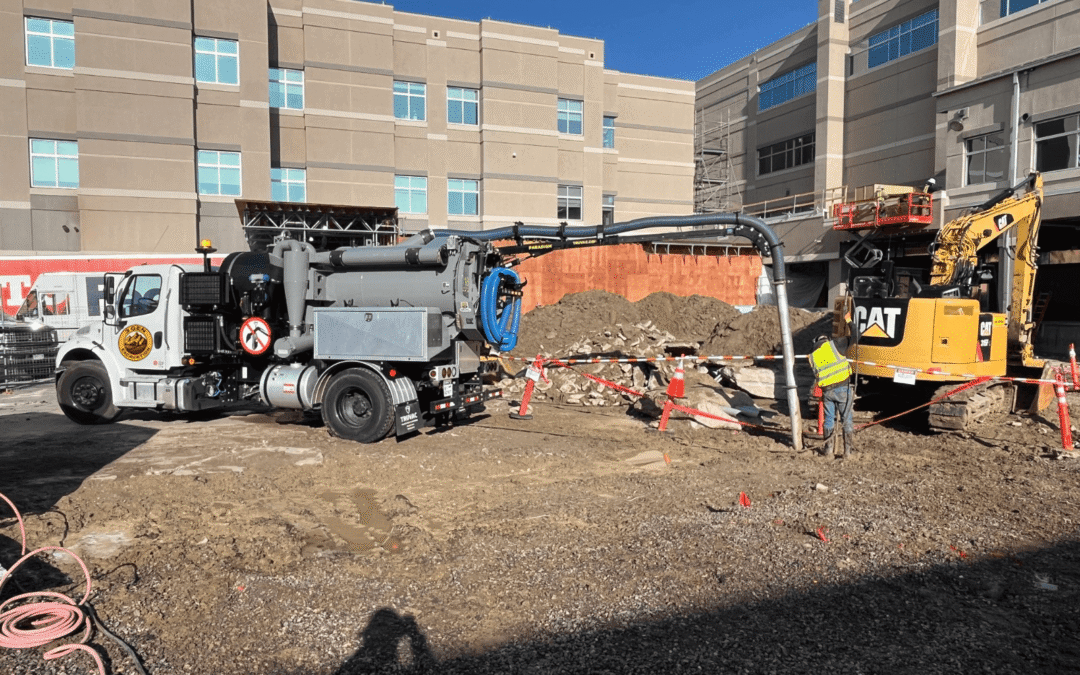
Hydro excavation is a non-destructive digging method that uses pressurized water to loosen soil while a vacuum system removes it. The process exposes underground infrastructure with precision and minimal disruption.
Because it doesn’t rely on metal blades or heavy mechanical force, hydro excavation is often used in areas where accuracy matters, such as around utility lines or existing structures.
What Is Traditional Digging?
Traditional digging uses mechanical equipment like backhoes, excavators, trenchers, or hand tools to remove soil. It’s a familiar method that can move large volumes quickly, especially on open sites.
However, mechanical digging can be less precise, particularly when working near buried utilities or in tight spaces where control is critical.
Hydro Excavation vs Traditional Digging: Key Differences
Precision
Hydro excavation allows crews to remove soil exactly where needed without disturbing surrounding areas. Traditional digging is better suited for bulk excavation where precision isn’t the primary concern.
Safety
Using pressurized water reduces the likelihood of striking underground lines. Mechanical digging carries a higher risk of accidental contact with utilities.
Site Impact
Hydro excavation typically results in less surface disruption. Traditional methods can disturb larger sections of ground, requiring more restoration afterward.
Equipment Footprint
Hydrovac trucks can often operate at a distance from the dig site, which is useful in congested areas. Mechanical equipment usually needs direct access.
Which Method Is Safer?
Reduced Utility Strikes
Hydro excavation is widely considered safer when working near gas, water, electric, or communication lines. The water gently exposes infrastructure instead of cutting into it.