
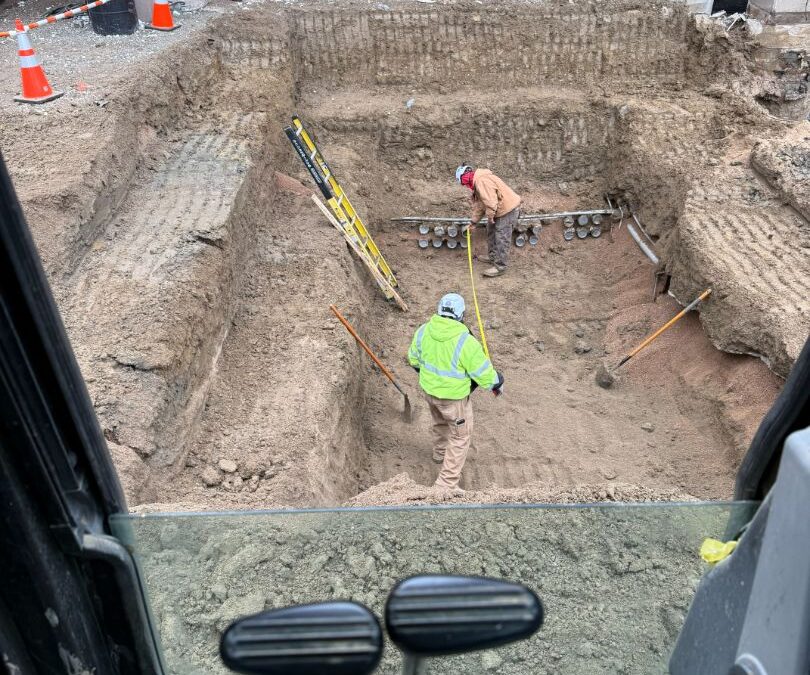
Hitting an underground utility line is one of the most dangerous and expensive mistakes that can happen on a construction site. Even a small mistake with a gas main, fiber optic cable, or water line can cause service outages, project delays, safety risks, and costly repairs.
This is why more contractors and project managers in Colorado are using hydro excavation services to dig instead. This method lets crews carefully expose underground utilities with the help of pressurized water and a strong hydro excavation vacuum system. This lowers the risk of damage that wasn’t meant to happen.
Hydro excavation is very important for keeping projects on schedule and protecting important services in areas like the Denver metro, where there are a lot of underground structures and the soil conditions change. Let’s take a closer look at how it works and why it’s the best way to keep utilities from getting damaged on job sites using hydrovac services and non-destructive digging services.
What is hydro excavation?
Hydro excavation is a way to dig that doesn’t hurt anything. It uses high-pressure water to break up the soil and a hydro excavation vacuum system to move the slurry to a debris tank. Instead of blindly cutting into the ground with heavy machinery, crews can carefully reveal what’s below the surface with hydro excavation equipment.
Important parts of hydro excavation are:
- Water under pressure to break up dirt
- Industrial vacuum to clean up debris
- Tank for holding debris
- Controlled digging tools for precise work
Compared to mechanical digging, this method is more controlled and gentle, which greatly lowers the chance of hitting buried utilities.
How Hydro Excavation Keeps Utilities Safe
Hydro excavation keeps utilities from getting damaged because it lets workers slowly and clearly uncover underground lines instead of making guesses or estimates, which is why hydro excavation contractors rely on it.
1. Digging carefully around utilities
Old-fashioned digging methods can quickly break through soil, which makes it more likely that you’ll hit pipes or cables. Hydro excavation takes away soil in small amounts, which makes it easier to find and stay away from sensitive infrastructure.
2. Less force from machines
There are no heavy blades or metal teeth cutting into the ground. Water, on the other hand, loosens soil without putting too much stress on buried lines.
3. Better visibility
When soil is removed, utilities become easy to see, which lets crews work with confidence and make changes on the spot.
4. Potholing and daylighting that are correct
Hydro excavation is great for potholing, which is the process of finding out where utilities are before doing a lot of digging. This one step can stop expensive mistakes.
5. Digging in tight spaces with care
Hydro excavation lets you dig accurately without damaging nearby buildings or infrastructure on busy commercial sites or in cities.
Why Damage to Utilities Is a Big Risk on Job Sites
It’s harder than ever to understand underground networks. Job sites in Colorado often have layers of utilities that have been put in over the years, and the records for these utilities are sometimes incomplete or out of date.
Some common risks are:
- Utility lines that are not marked or are in the wrong place
- Underground hallways that are full of people
- The ground moves because of freeze-thaw cycles.
- Areas with limited access
- Tight building schedules that make things more stressful
There is always some uncertainty, even with utility locates. Hydro excavation adds an extra layer of safety by checking what is underground before full excavation starts.
The Role of Hydro Excavation in the Soil Conditions of Colorado
Excavation crews have to deal with special problems in Colorado. The ground can be solid clay or rocky, and the weather changes with the seasons make it less stable.
Hydro excavation works really well here because:
- Heated water can be used when the ground is frozen
- Controlled digging makes the soil less disturbed.
- Precision helps you deal with rocky or uneven ground.
- Less vibration keeps buildings nearby safe.
In the Denver area, where infrastructure projects often happen close to existing buildings, this method keeps people safe without slowing down progress.
When Hydro Excavation Is Most Useful
Hydro excavation can be used on many types of projects, but it is especially useful when accuracy is very important.
Common uses:
- Finding and checking utilities
- Digging trenches close to live lines
- Putting up poles or signs
- Exposure to pipelines and conduits
- Fixing sewer and water lines
- Preparing the site for commercial construction
- Daylighting before big digging
- Working close to delicate infrastructure
Using hydro excavation in the early stages of a project helps avoid problems later on, especially for commercial hydro excavating contractors.
Safety Benefits That Go Beyond Protecting Utilities
Stopping damage to utilities is a big plus, but hydro excavation also makes the site safer overall.
Important safety benefits:
- Less chance of gas leaks or electrical problems
- Less likely for workers to get hurt when they touch equipment
- Controlled excavation lowers the risk of cave-ins.
- Workplaces that are cleaner and have less trash
- Less chance of service interruptions affecting nearby communities
A safer site often means fewer delays and a smoother project execution when using hydro excavation services.
How to Save Money by Stopping Utility Strikes
Hydro excavation may look like a specialized service at first, but it can often lower the overall cost of a project.
You can save money by avoiding damage to utilities by not having to pay for repairs.
- Stopping downtime and changes to the schedule
- Lowering the risks of liability
- Not having to pay for emergency response
- Reducing the need for rework
When you think about how much money a utility strike would cost, the value of preventing it becomes clear for projects handled by a hydro excavation contractor.
Benefits of Hydro Excavation for the Environment
Hydro excavation is also better for the environment than other ways of digging.
Some of the benefits for the environment are:
- Less disturbance of the soil
- Less chance of erosion
- Less effect on plants nearby
- Disposal of controlled slurry
- Less dust and other things in the air
These factors are very important in places where protecting the environment is a top priority when using non-destructive digging services.
Best Ways to Use Hydro Excavation on the Job
For hydro excavation to be most useful, it should be included in project planning.
Steps that are suggested:
- Do utility locates before you start digging.
- Potholing can be used to check the positions of lines.
- Plan the excavation with the site plans
- Teach train operators how to do things safely
- Check on the soil conditions during the whole project
- Keep lines of communication open between crews.
Planning ahead makes sure that the method gets all of its safety and efficiency benefits with hydrovac excavation services.
How Hydro Excavation Helps Projects Run More Smoothly
Not only does hydro excavation stop problems from happening, it also makes projects go more smoothly.
Because crews can quickly and accurately expose utilities:
- Making decisions gets better
- Workflows are easier to predict
- It’s easier for trades to work together.
- There are fewer delays.
This is especially useful for business projects where many teams depend on exact timelines and hydro excavation contractors.
Frequently Asked Questions
1. Does hydro excavation get rid of all the risk of damaging utilities?
No method can guarantee zero risk, but hydro excavation greatly lowers the chances of an accident by allowing careful, visible digging.
2. Is hydro excavation good for all kinds of soil in Colorado?
Yes. When you use hot water, it works well in clay, sandy soil, rocky areas, and even frozen ground with hydrovac services.
3. What are the differences between hydro excavation and regular trenching?
It is more accurate, disturbs the soil less, and has a much lower chance of damaging utilities that are underground when using hydro excavation equipment.
4. Is hydro excavation slower than digging with a machine?
Mechanical digging may be faster for big open spaces, but hydro excavation often saves time by stopping mistakes on sites with a lot of utilities.
5. When should hydro excavation be done as part of a project?
Ideally, utility verification should be done in the early stages, but it can also be helpful for repairs, installations, and work that is hard to get to with hydro excavating services.
Conclusion
To keep construction projects safe, efficient, and on schedule, it is important to protect underground utilities. Hydro excavation makes it easier to dig with confidence, which lowers the risk of costly damage and makes things less uncertain with hydro excavation services.
Using precise excavation methods on projects all over Colorado, especially in busy areas with a lot of infrastructure, helps keep work moving smoothly and protects important systems below the surface through hydrovac services.
By putting careful planning and tried-and-true methods first, teams can avoid problems that come up out of the blue and focus on getting good results that last using hydro excavation.