
One question immediately arises when planning to dig: which method is the safest and most efficient? In Colorado, where there are underground utilities, rocky soils, and weather that can change at any time, picking the right method isn’t just about convenience, it can also affect safety, timelines, and overall costs when considering hydro excavation services or traditional approaches.
Before starting a project, many owners and contractors think about the differences between hydro excavation and traditional digging, including hydro vacuum excavation. Understanding the differences between the two methods can help you avoid unnecessary risks and unexpected surprises.
This guide explains how both methods work, when to use each one, and which one is usually safer and cheaper based on the needs of your project, whether you are working with a hydro excavation contractor or planning non-destructive digging services.
What does hydro excavation mean?
Hydro excavation is a way to dig without damaging anything. It uses pressurized water to loosen the soil and a vacuum system to remove it using a hydro excavation vacuum. The process shows underground infrastructure with great accuracy and little disruption.
Hydro excavation is often used in places where accuracy is important, like around utility lines or existing structures, because it doesn’t use metal blades or heavy machinery, making it a reliable option offered by hydro excavation contractors.
What does “traditional digging” mean?
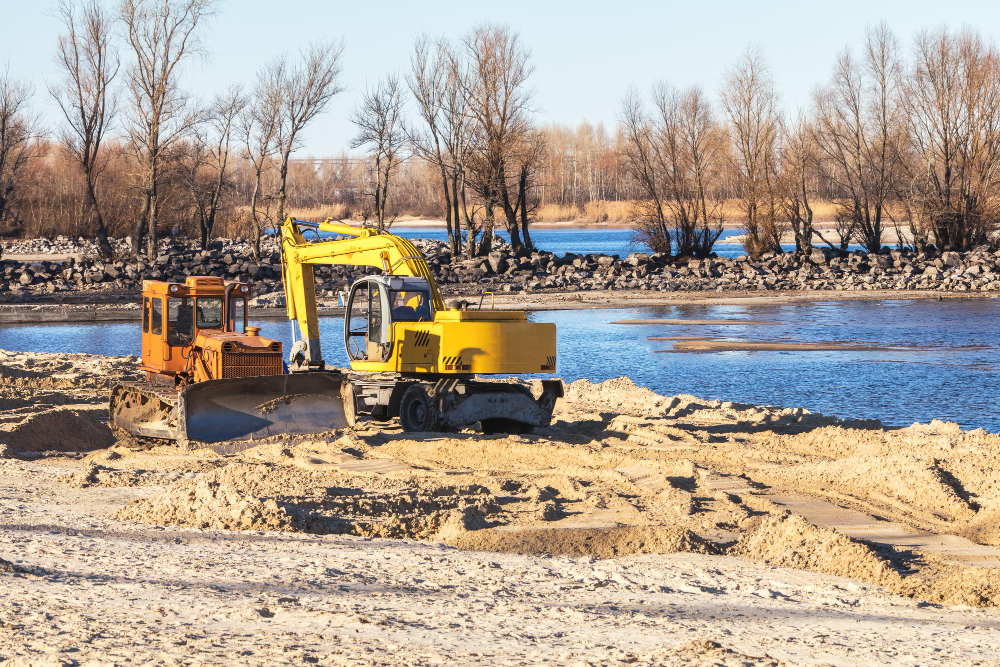
To remove dirt, traditional digging uses machines like backhoes, excavators, trenchers, or hand tools. It’s a well-known way to move a lot of stuff quickly, especially on open sites.
But mechanical digging can be less accurate, especially when working near buried utilities or in tight spaces where control is very important compared to hydro excavating services.
Key Differences Between Hydro Excavation and Traditional Digging
Exactness
Hydro excavation lets workers remove dirt from exactly the right places without bothering the areas around them. When accuracy isn’t the most important thing, traditional digging is better for bulk excavation or large commercial hydro excavating projects.
Safety
Using pressurized water makes it less likely that you will hit underground lines. There is a higher chance of accidentally hitting utilities when you dig with machines compared to hydro vacuum excavation.
Impact on the site
Hydro excavation usually causes less damage to the surface. Traditional methods can disturb bigger areas of ground, which means more work will need to be done to fix them compared to industrial hydro excavation.
Footprint of the Equipment
Hydrovac trucks and hydro excavator units can often work from a distance from the dig site, which is helpful in crowded areas. Most of the time, mechanical equipment needs direct access.
Which Method Is Safer?
Fewer utility strikes
Most people think that hydro excavation is safer when working near gas, water, electric, or communication lines. Instead of cutting into infrastructure, the water gently exposes it, which is why hydro excavation services are widely used.
More stable ground
Hydro excavation helps keep the surrounding ground stable because it only removes the soil that is needed. This lowers the risk of falling or moving during commercial hydro excavating or utility work.
Better safety for workers
When utilities are easy to see, the risk of unexpected dangers goes down. When you dig the old-fashioned way, you can sometimes suddenly find lines, which can be dangerous compared to hydro excavating services.
Excavation in Small Spaces That Is Controlled
In cities and other developed areas of Colorado, working safely around buildings and traffic often requires a more controlled approach. Hydro excavation is a good choice for this and is commonly used by commercial hydro excavating contractors.
Which Way Is Cheaper?
The cost of digging isn’t just the initial price. It also includes risk, repairs, downtime, and how well the project goes, whether using traditional methods or hydro excavation services.
Costs Up Front
For simple jobs, traditional digging may seem cheaper because it moves dirt quickly with tools that are easy to find.
Hydro excavation may require special tools like hydro excavation equipment or a hydro excavation vacuum, which can raise the initial costs.
Savings from Lowering Risk
Avoiding damage to utilities can save you money on repairs, keep your project on schedule, and keep you from getting fines. Hydro excavation often saves money by lowering these risks, especially when performed by experienced hydro excavation contractors.
Fewer times to do things over
Precision digging cuts down on the need for corrections or more digging, which helps projects stay on track when using hydro vacuum excavation.
Solving problems faster
Hydro excavation lets crews quickly change plans if something unexpected comes up without causing more problems, which is why hydro excavation companies rely on this method.
When Hydro Excavation Is a Better Choice
- When working near underground utilities, hydro excavation is often the preferred option.
- Doing potholing or daylighting using hydrovac excavation services
- Digging in soil that is frozen or packed down with hydro vacuum excavation
- Working in crowded cities where a hydro excavator can operate safely
- Taking care of landscaping or finished surfaces using non-destructive digging services
- Finishing up sensitive infrastructure work through industrial hydro excavation
When it makes sense to dig the old-fashioned way
In some situations, traditional digging is still the best option:
- Moving large amounts of dirt
- Clearing land that is open
- Projects that need deep or wide digging
- When accuracy isn’t as important
The scope and conditions of the job will help you choose the best method.
How the weather in Colorado affects choices for excavation
The best method may depend on local conditions.
Soil that is rocky and changes
The land in Colorado can be soft or rocky. With controlled removal, hydro excavation can handle these situations efficiently.
Cold Weather
Digging in the traditional way can be slower on frozen ground. Hydro excavation systems that use heated water can break through frozen soil more easily, which is why hydro excavation services are used year-round.
Infrastructure that is getting bigger
With expanding communities and aging utilities, safe excavation methods are increasingly important to avoid disruptions.
Things to think about for the environment
Hydro excavation usually doesn’t disturb the soil and plants around it as much. This can be helpful in places where keeping the site safe or stopping erosion is important.
Traditional digging works well for big projects, but it may need more restoration work because it disturbs more ground.
How to Choose Between the Two Ways
When deciding between hydro excavation and regular digging, think about:
- Proximity to utilities
- Level of precision required
- Site accessibility
- Soil conditions
- Project timeline
- Potential risks
Considering these things helps make sure that the excavation method fits with the project’s goals.
Misunderstandings that happen a lot
“Hydro excavation is always more costly.”
Equipment costs may be higher, but it can be cheaper overall if you avoid damage and delays.
“Digging the old-fashioned way is always faster.”
This is true for bulk excavation. But when accuracy is important, hydro excavation can save time by avoiding problems, especially compared to traditional methods.
“Hydro excavation is only for utilities.”
It is also used for digging trenches, building foundations, commercial hydro excavating, and other construction tasks.
Hydro Excavation vs. Traditional Digging: Frequently Asked Questions
1. Is hydro excavation safer than digging by hand?
Yes, especially close to utilities. It lowers the chance of hurting underground structures and makes the job site safer.
2. Does hydro excavation take more time?
Not always. The process is exact, but it can stop delays caused by damage or rework that wasn’t planned, especially when using hydrovac services.
3. Which way costs less overall?
It depends on the job. It may cost less to dig by hand at first, but hydro excavation can lower long-term costs by lowering risks compared to other methods.
4. Can hydro excavation work on big projects?
It’s best for work that needs to be very precise or careful. Most of the time, traditional methods are used for large-scale earthmoving, while hydro excavation companies handle precision work.
5. Is hydro excavation a good idea for Colorado winters?
Yes. Heated water systems make it possible to dig even when the ground is frozen.
Conclusion
It’s not a matter of picking one method over the other when you choose between hydro excavation and traditional digging. It’s about knowing what your project needs. Hydro excavation is a careful, controlled method that puts safety and accuracy first. Traditional digging, on the other hand, is still a good way to move a lot of dirt.
You can choose the method that will help things go more smoothly and with fewer surprises by looking at the site’s conditions, risks, and project goals. Taking the time to make an informed choice will help make sure that your excavation work goes smoothly and safely in all of Colorado’s different environments.